

High-Quality Flat Die Manufacturer in China for Optimal Performance
As a leading manufacturer in China, I’m thrilled to share our high-quality Flat Die solutions tailored for various industrial applications. Our product is designed with precision to ensure optimal performance, making it an essential choice for businesses aiming to enhance their production efficiency. I understand how crucial it is for B2B purchasers like you to rely on durable and reliable equipment. That’s why our Flat Die features premium materials and innovative engineering, guaranteeing longevity and consistent results. Whether you’re in the food, agriculture, or biomass sectors, our products meet diverse needs. With an unwavering commitment to customer satisfaction, we provide not just products but also unmatched support and expertise. Partner with us, and let’s elevate your operations together. Reach out today to discuss how our Flat Die can add value to your business and help you stay ahead in your industry!


Flat Die Application in 2025
As we move into 2025, the landscape of flat die applications is set to evolve dramatically, driven by innovations in technology and the increasing demands of diverse industries. Flat dies, essential in manufacturing processes such as extrusion and pelletizing, have gained prominence due to their efficiency, cost-effectiveness, and versatility. Looking ahead, producers and global buyers should understand how these trends will impact supply chains and production capabilities. Emerging technologies like 3D printing and advanced automation are reshaping traditional manufacturing, leading to more customized and efficient production methods. As a result, flat die applications are becoming more sophisticated, allowing manufacturers to produce higher-quality products while reducing waste. This trend aligns well with the growing emphasis on sustainability, as companies look to minimize their environmental footprint without sacrificing performance. Buyers can expect increased availability of eco-friendly materials and processes that leverage these advancements. Moreover, regional shifts in production and procurement strategies are influencing global trade dynamics. As manufacturers adapt to changing market conditions, international collaboration will be essential in meeting the demand for flat dies that cater to various applications. In 2025, businesses that embrace these changes and invest in innovative flat die technologies will not only enhance their operational efficiency but also position themselves competitively in the global marketplace. For buyers, staying informed and engaged with manufacturers at the forefront of these developments will be key to capitalizing on new opportunities.
Flat Die Application in 2025
| Application Area | Material Type | Production Volume (Tons/Year) | Efficiency (%) | Energy Consumption (kWh/Ton) |
|---|---|---|---|---|
| Automotive Parts | Aluminum | 15000 | 85 | 250 |
| Construction Materials | Concrete | 30000 | 90 | 300 |
| Food Processing | Plastic | 10000 | 80 | 200 |
| Electronics | Silicon | 5000 | 92 | 150 |
| Textiles | Fabrics | 8000 | 88 | 220 |
Related Products


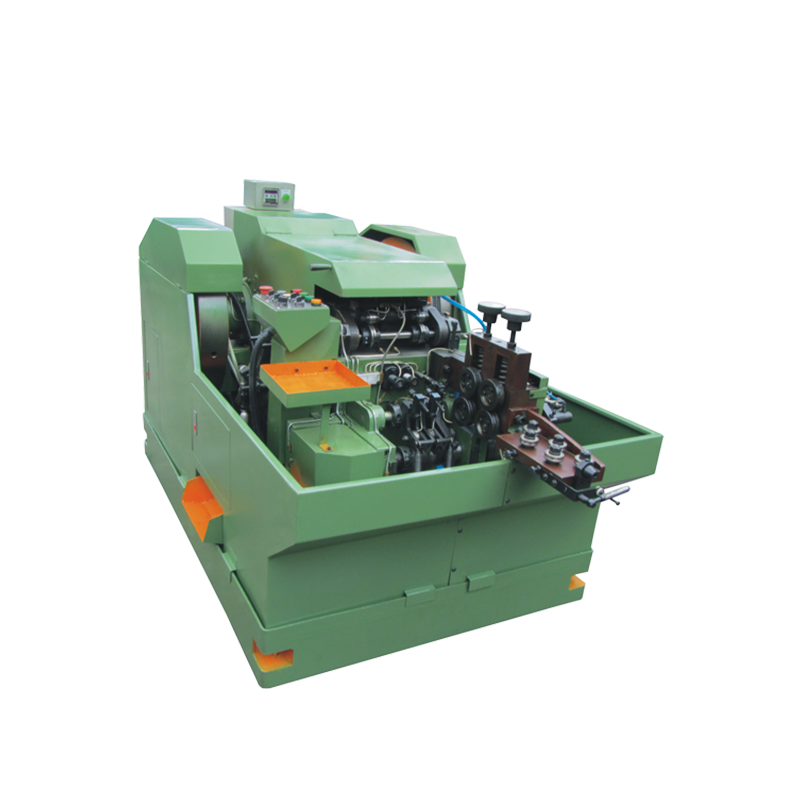
Flat Die Industry Leaders Factory-Direct Excellence
Top Selling Products


- Related Blog
- Reviews

-

Phone
-

E-mail
-

Top